The moment someone steps onto a staircase, one feature quietly ensures both safety and style. Railings guide movement, provide support, and shape the visual flow of a space. When made from metal, they gain added strength and design flexibility, elevating both function and appearance.
Metal Stairs Railings are more than just protective barriers. They are architectural elements that contribute to a property’s overall character.
Understanding Metal Stairs Railings
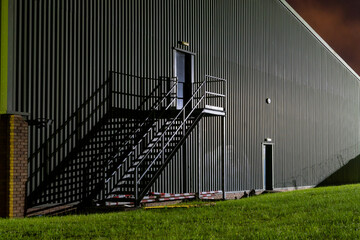
Metal stairs railings are protective structures installed alongside staircases to provide support and prevent falls. They are typically made from materials such as steel, aluminum, or iron, each offering unique benefits. These railings are designed to meet safety requirements while also enhancing the look of the staircase.
The use of metal allows for a wide range of designs, from simple and modern to intricate and decorative. This versatility makes metal railings suitable for various environments, including residential, commercial, and industrial spaces. Their combination of durability and style makes them a popular choice for many projects.
Types of Metal Used in Railings
Different metals offer different advantages depending on the application. Steel is widely used for its strength and durability. It can handle heavy use and is suitable for both indoor and outdoor installations when properly treated.
Aluminum is lighter and resistant to corrosion, making it a practical choice for areas exposed to moisture. Its lightweight nature also makes installation easier in some cases. Iron, particularly in decorative applications, is known for its classic appearance and ability to be shaped into detailed designs.
Choosing the right type of metal depends on factors such as environment, design preferences, and maintenance requirements. Each material contributes to the overall performance and appearance of the railing system.
Design Styles and Aesthetic Options
Metal stairs railings offer a wide variety of design styles. Modern designs often feature clean lines and minimalistic elements, creating a sleek and contemporary look. Traditional styles may include ornate patterns and detailed craftsmanship that add character and elegance.
Open designs, such as cable or bar railings, create a sense of space and allow for better visibility. Solid panels or decorative inserts can provide a more enclosed and distinctive appearance. Finishes also play an important role, with options ranging from matte to polished surfaces.
The ability to customize designs allows metal railings to complement different architectural styles. Whether the goal is subtle integration or bold visual impact, metal railings can be tailored to achieve the desired effect.
Fabrication and Installation Process
Creating metal stairs railings involves a precise fabrication process. It begins with measurements and design planning to ensure that the railing fits the staircase perfectly. Metal components are then cut, shaped, and assembled according to the specifications.
Welding is often used to join parts together, creating strong and stable connections. After assembly, the railing may undergo finishing treatments to improve its appearance and protect it from environmental factors.
Installation requires careful alignment and secure fastening. Proper installation ensures that the railing provides reliable support and meets safety standards. Attention to detail during this stage is essential for both functionality and aesthetics.
Safety and Building Standards
Safety is the primary purpose of any railing system. Metal stairs railings must be designed and installed to meet specific safety requirements. This includes considerations such as height, spacing, and structural integrity.
Railings must provide adequate support and prevent accidental falls. The design should ensure that gaps are appropriately sized to enhance safety, especially in environments where children may be present. Non slip features on stair surfaces can also complement the effectiveness of the railing.
Meeting safety standards is essential for ensuring that the railing performs its intended function. It also provides confidence that the structure is reliable and secure.
Durability and Maintenance
One of the key advantages of metal stairs railings is their durability. Metal can withstand regular use and maintain its structural integrity over time. This makes it a practical choice for areas with high traffic.
Maintenance requirements vary depending on the type of metal. Steel may require protective coatings to prevent corrosion, while aluminum typically needs less maintenance due to its natural resistance to rust. Regular cleaning helps preserve the appearance and condition of the railing.
Periodic inspections are also important. Identifying and addressing minor issues early can prevent more significant problems later. Proper care ensures that metal railings remain functional and visually appealing for years.
Applications in Different Settings
Metal stairs railings are used in a wide range of settings. In residential spaces, they provide safety while contributing to interior and exterior design. In commercial environments, they are designed to handle higher traffic and meet specific functional requirements.
Industrial settings often rely on metal railings for their strength and reliability. These environments may require additional features such as reinforced structures or specialized coatings. Outdoor applications also benefit from metal railings, especially when materials are chosen for their resistance to weather conditions.
The adaptability of metal railings allows them to be used in diverse environments, each with its own set of requirements.
Customization and Modern Trends
Customization is a defining feature of metal stairs railings. Modern trends often focus on simplicity and clean lines, with designs that emphasize openness and minimalism. Cable railings and slim profiles are popular choices that create a contemporary look.
Advancements in fabrication technology have expanded design possibilities. Intricate patterns and precise details can now be achieved with greater accuracy. This allows for unique designs that reflect individual preferences and architectural styles.
Staying updated with design trends helps ensure that metal railings remain both functional and visually relevant. Customization allows for a balance between personal style and practical needs.
Choosing the Right Metal Stair Railing
Selecting the right metal stairs railing involves considering several factors. The environment plays a major role, as exposure to moisture or extreme conditions can influence material choice. Design preferences and overall aesthetic goals also guide the decision making process.
Budget and maintenance requirements are additional considerations. Some materials may have higher upfront costs but offer long term benefits through durability and reduced maintenance. Balancing these factors helps ensure that the chosen railing meets both functional and financial expectations.
Taking the time to evaluate these elements leads to a more informed decision and a better overall result.
Final Thoughts
Metal stairs railings combine safety, durability, and design flexibility in a way that enhances both functionality and appearance. From material selection to customization, every aspect contributes to creating a railing system that meets specific needs. Whether used in residential, commercial, or industrial settings, metal railings provide reliable support and lasting value.
Understanding the features and options available makes it easier to choose the right design. With proper planning, quality materials, and regular maintenance, metal stairs railings can serve as both a practical solution and a design statement. In the end, they are an essential element that brings together safety and style in any space.