What Are Metal Stairs Railings and How Do You Choose the Right Design?

The moment someone steps onto a staircase, one feature quietly ensures both safety and style. Railings guide movement, provide support, and shape the visual flow of a space. When made from metal, they gain added strength and design flexibility, elevating both function and appearance.

Metal Stairs Railings are more than just protective barriers. They are architectural elements that contribute to a property’s overall character.

Understanding Metal Stairs Railings

Metal Stairs Railing

Metal stairs railings are protective structures installed alongside staircases to provide support and prevent falls. They are typically made from materials such as steel, aluminum, or iron, each offering unique benefits. These railings are designed to meet safety requirements while also enhancing the look of the staircase.

The use of metal allows for a wide range of designs, from simple and modern to intricate and decorative. This versatility makes metal railings suitable for various environments, including residential, commercial, and industrial spaces. Their combination of durability and style makes them a popular choice for many projects.

Types of Metal Used in Railings

Different metals offer different advantages depending on the application. Steel is widely used for its strength and durability. It can handle heavy use and is suitable for both indoor and outdoor installations when properly treated.

Aluminum is lighter and resistant to corrosion, making it a practical choice for areas exposed to moisture. Its lightweight nature also makes installation easier in some cases. Iron, particularly in decorative applications, is known for its classic appearance and ability to be shaped into detailed designs.

Choosing the right type of metal depends on factors such as environment, design preferences, and maintenance requirements. Each material contributes to the overall performance and appearance of the railing system.

Design Styles and Aesthetic Options

Metal stairs railings offer a wide variety of design styles. Modern designs often feature clean lines and minimalistic elements, creating a sleek and contemporary look. Traditional styles may include ornate patterns and detailed craftsmanship that add character and elegance.

Open designs, such as cable or bar railings, create a sense of space and allow for better visibility. Solid panels or decorative inserts can provide a more enclosed and distinctive appearance. Finishes also play an important role, with options ranging from matte to polished surfaces.

The ability to customize designs allows metal railings to complement different architectural styles. Whether the goal is subtle integration or bold visual impact, metal railings can be tailored to achieve the desired effect.

Fabrication and Installation Process

Creating metal stairs railings involves a precise fabrication process. It begins with measurements and design planning to ensure that the railing fits the staircase perfectly. Metal components are then cut, shaped, and assembled according to the specifications.

Welding is often used to join parts together, creating strong and stable connections. After assembly, the railing may undergo finishing treatments to improve its appearance and protect it from environmental factors.

Installation requires careful alignment and secure fastening. Proper installation ensures that the railing provides reliable support and meets safety standards. Attention to detail during this stage is essential for both functionality and aesthetics.

Safety and Building Standards

Safety is the primary purpose of any railing system. Metal stairs railings must be designed and installed to meet specific safety requirements. This includes considerations such as height, spacing, and structural integrity.

Railings must provide adequate support and prevent accidental falls. The design should ensure that gaps are appropriately sized to enhance safety, especially in environments where children may be present. Non slip features on stair surfaces can also complement the effectiveness of the railing.

Meeting safety standards is essential for ensuring that the railing performs its intended function. It also provides confidence that the structure is reliable and secure.

Durability and Maintenance

One of the key advantages of metal stairs railings is their durability. Metal can withstand regular use and maintain its structural integrity over time. This makes it a practical choice for areas with high traffic.

Maintenance requirements vary depending on the type of metal. Steel may require protective coatings to prevent corrosion, while aluminum typically needs less maintenance due to its natural resistance to rust. Regular cleaning helps preserve the appearance and condition of the railing.

Periodic inspections are also important. Identifying and addressing minor issues early can prevent more significant problems later. Proper care ensures that metal railings remain functional and visually appealing for years.

Applications in Different Settings

Metal stairs railings are used in a wide range of settings. In residential spaces, they provide safety while contributing to interior and exterior design. In commercial environments, they are designed to handle higher traffic and meet specific functional requirements.

Industrial settings often rely on metal railings for their strength and reliability. These environments may require additional features such as reinforced structures or specialized coatings. Outdoor applications also benefit from metal railings, especially when materials are chosen for their resistance to weather conditions.

The adaptability of metal railings allows them to be used in diverse environments, each with its own set of requirements.

Customization and Modern Trends

Customization is a defining feature of metal stairs railings. Modern trends often focus on simplicity and clean lines, with designs that emphasize openness and minimalism. Cable railings and slim profiles are popular choices that create a contemporary look.

Advancements in fabrication technology have expanded design possibilities. Intricate patterns and precise details can now be achieved with greater accuracy. This allows for unique designs that reflect individual preferences and architectural styles.

Staying updated with design trends helps ensure that metal railings remain both functional and visually relevant. Customization allows for a balance between personal style and practical needs.

Choosing the Right Metal Stair Railing

Selecting the right metal stairs railing involves considering several factors. The environment plays a major role, as exposure to moisture or extreme conditions can influence material choice. Design preferences and overall aesthetic goals also guide the decision making process.

Budget and maintenance requirements are additional considerations. Some materials may have higher upfront costs but offer long term benefits through durability and reduced maintenance. Balancing these factors helps ensure that the chosen railing meets both functional and financial expectations.

Taking the time to evaluate these elements leads to a more informed decision and a better overall result.

Final Thoughts

Metal stairs railings combine safety, durability, and design flexibility in a way that enhances both functionality and appearance. From material selection to customization, every aspect contributes to creating a railing system that meets specific needs. Whether used in residential, commercial, or industrial settings, metal railings provide reliable support and lasting value.

Understanding the features and options available makes it easier to choose the right design. With proper planning, quality materials, and regular maintenance, metal stairs railings can serve as both a practical solution and a design statement. In the end, they are an essential element that brings together safety and style in any space.
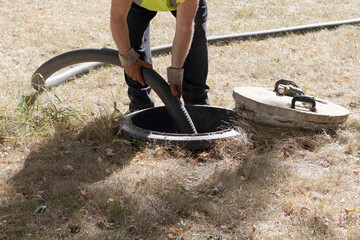
How Often Should You Schedule Septic Pumping for a Healthy System

Septic Pumping

A hidden system beneath the ground quietly manages one of the most important functions in any property. While it may be out of sight, it should never be out of mind. Many people only think about their septic system when something goes wrong, yet by that point, the damage can already be costly and disruptive.

Septic Pumping Fresno is not just a maintenance task but a critical step in protecting your home, your health, and the surrounding environment. Understanding how it works and why it matters can make the difference between a system that lasts for decades and one that fails prematurely.

What Septic Pumping Really Means

Septic pumping is the process of removing accumulated solids and sludge from a septic tank. Over time, waste separates into layers inside the tank. Solid waste settles at the bottom, forming sludge, while lighter materials float to the top as scum. Between these layers is a liquid zone that flows out into the drain field.

Without regular pumping, the sludge and scum layers continue to build up. Eventually, they can overflow into the drain field, causing clogs and system failure. Pumping clears out these layers, restoring the tank’s capacity and allowing it to function properly.

This process is essential because a septic system is designed to handle waste gradually. When the balance inside the tank is disrupted by excessive buildup, the entire system becomes less effective. Regular pumping keeps everything working as intended.

Why Regular Septic Pumping Is Essential

Routine septic pumping plays a vital role in maintaining the health of the system. It prevents the accumulation of solids that can lead to blockages and backups. Without this maintenance, wastewater may return into the home or surface in the yard, creating unsanitary conditions.

Another important reason for regular pumping is to protect the drain field. Once solids reach this area, they can clog the soil and reduce its ability to absorb water. Repairing or replacing a damaged drain field can be expensive and time consuming.

Septic pumping also helps maintain environmental safety. A failing system can release harmful bacteria and contaminants into the soil and groundwater. By keeping the tank clean, the risk of pollution is significantly reduced.

Consistent maintenance extends the lifespan of the entire system. A well cared for septic system can last for many years, while neglect can lead to early failure and costly repairs.

How Often Should a Septic Tank Be Pumped

The frequency of septic pumping depends on several factors. Household size, water usage, and tank capacity all influence how quickly solids accumulate. In general, many systems require pumping every three to five years, but this is not a one size fits all guideline.

Larger households tend to produce more waste, which can fill the tank more quickly. Similarly, high water usage can push solids into the drain field sooner than expected. Homes with smaller tanks may also need more frequent service.

Monitoring the system is key to determining the right schedule. Regular inspections can help identify when the sludge level is approaching capacity. This allows pumping to be scheduled at the optimal time rather than waiting for problems to occur.

Creating a maintenance routine based on these factors ensures that the system remains efficient and reliable.

Signs That Your Septic Tank Needs Pumping

Even with a schedule in place, it is important to watch for warning signs that indicate the need for septic pumping. Slow draining sinks and toilets can be an early sign that the tank is nearing capacity. Unpleasant odors around drains or in the yard may also signal a problem.

Pooling water or unusually lush grass near the drain field can indicate that wastewater is not being properly absorbed. In more severe cases, sewage backups may occur inside the home, which requires immediate attention.

Ignoring these signs can lead to more serious issues. Addressing them promptly through pumping and inspection can prevent further damage and restore proper function.

Being aware of these indicators helps ensure that the system receives attention before minor issues become major concerns.

The Septic Pumping Process Explained

Septic pumping involves several steps that ensure the tank is thoroughly cleaned. The process begins with locating and accessing the tank. Once opened, the contents are carefully removed using specialized equipment.

Both the sludge and scum layers are extracted to restore the tank’s capacity. During this process, the system may also be inspected for signs of damage or wear. This can include checking for cracks, leaks, or issues with the inlet and outlet components.

After pumping, the tank is closed securely, and the system is ready to resume normal operation. The process is efficient and typically completed within a short period, but its impact on the system’s performance is significant.

Understanding how septic pumping works highlights its importance as a preventive maintenance measure rather than a reactive solution.

Common Mistakes That Lead to Septic Problems

Many septic system issues can be traced back to avoidable mistakes. One common error is delaying or skipping regular pumping. Without this essential maintenance, the system becomes overloaded and prone to failure.

Another mistake is flushing inappropriate materials down the drain. Items such as wipes, grease, and non biodegradable products can accumulate in the tank and disrupt its function. These materials do not break down easily and contribute to faster buildup.

Excessive water usage can also strain the system. Activities that use large amounts of water in a short time can overwhelm the tank and push solids into the drain field. Spreading out water usage helps maintain balance.

Lack of awareness about the system’s needs often leads to neglect. By understanding and avoiding these mistakes, homeowners can protect their septic system and reduce the need for costly repairs.

Long Term Benefits of Proper Septic Maintenance

Investing in regular septic pumping offers long term benefits that go beyond preventing immediate problems. A well maintained system operates more efficiently, reducing the likelihood of unexpected failures.

Proper maintenance also protects property value. A functioning septic system is an important aspect of any property, and neglect can lead to issues that affect its usability and appeal.

Environmental protection is another key benefit. By keeping the system in good condition, the risk of contamination is minimized. This contributes to cleaner soil and water, which benefits both individuals and the broader ecosystem.

In addition, consistent care provides peace of mind. Knowing that the system is functioning properly allows homeowners to focus on other aspects of their property without concern.

Conclusion

Septic pumping is a fundamental part of maintaining a reliable and efficient wastewater system. By removing accumulated solids, it prevents blockages, protects the drain field, and supports long term performance. Understanding when and why to schedule pumping allows homeowners to take a proactive approach to maintenance. With regular care and attention, a septic system can continue to operate effectively for many years, avoiding the stress and expense of unexpected failures.

What Are Candle Sconces and How Do They Elevate Your Home Decor?

Candle Sconces

There is something timeless about the soft glow of candlelight. It creates warmth, adds ambiance, and brings a sense of calm to any space. Candle Sconces take that experience a step further by combining lighting with wall decor. Mounted elegantly on walls, they transform empty spaces into visually appealing focal points.

Whether used in a hallway, living room, or bedroom, candle sconces offer both style and function. They are a simple yet powerful way to enhance the atmosphere of your home without major changes.

What Are Candle Sconces

Candle sconces are wall mounted fixtures designed to hold candles. Unlike traditional candlesticks that sit on tables, sconces are attached to walls, saving space and adding vertical interest.

They come in various designs, from simple holders to elaborate decorative pieces. Some are designed for a single candle, while others can hold multiple candles for a more dramatic effect.

Candle sconces can be used with real candles or LED alternatives, depending on your preference and safety considerations.

They serve both as lighting elements and decorative accents.

Types of Candle Sconces

Candle sconces are available in a wide range of styles to suit different interiors. Traditional sconces often feature ornate details and classic materials, making them ideal for vintage or elegant spaces.

Modern sconces focus on clean lines and minimal design. They work well in contemporary settings where simplicity is key.

Rustic sconces use materials such as wood or distressed metal to create a natural and cozy feel.

Decorative sconces may include intricate patterns, mirrors, or artistic shapes that make them stand out as statement pieces.

Choosing the right type depends on your overall decor style.

Benefits of Using Candle Sconces

Candle sconces offer several advantages that make them a popular decor choice. One of the main benefits is ambiance. The soft light from candles creates a warm and relaxing atmosphere.

They also save space by being mounted on walls, making them ideal for smaller rooms.

Candle sconces add visual interest by drawing the eye upward and enhancing wall design.

They are versatile and can be used in various rooms, from entryways to bedrooms.

In addition, they are an affordable way to update your decor without major renovations.

Where to Place Candle Sconces

Placement plays a key role in the effectiveness of candle sconces. They are often used in living rooms to frame a fireplace or artwork.

In hallways, sconces can provide gentle lighting while adding style to otherwise plain walls.

Bedrooms benefit from sconces placed beside the bed, creating a cozy and intimate atmosphere.

Dining areas can also use sconces to enhance ambiance during meals.

Proper placement ensures that the sconces complement the space and provide the desired effect.

Materials and Design Options

Candle sconces are made from a variety of materials, each offering a different look. Metal sconces are durable and can range from sleek to ornate designs.

Wood sconces add warmth and a natural touch, making them suitable for rustic or traditional interiors.

Glass elements can be included to enhance the reflection of light and create a more elegant appearance.

Some designs combine multiple materials for a unique and layered look.

Choosing the right material helps ensure that the sconces match your decor.

Safety Considerations

While candle sconces add beauty, safety is important when using real candles. Keeping them away from flammable materials reduces the risk of accidents.

Ensuring that sconces are securely mounted prevents them from falling or shifting.

Using LED candles is a safer alternative that still provides a similar visual effect.

Regularly checking and maintaining the sconces helps ensure safe use.

Taking these precautions allows you to enjoy candle sconces with peace of mind.

Styling Tips for Candle Sconces

Styling candle sconces can enhance their impact. Pairing them with mirrors or artwork creates a balanced and cohesive look.

Using symmetrical placement on either side of a focal point adds elegance and structure.

Mixing different heights or styles can create visual interest while maintaining harmony.

Choosing candles that complement the color scheme of the room helps tie the design together.

Thoughtful styling ensures that the sconces enhance rather than overwhelm the space.

Maintenance and Care

Maintaining candle sconces helps keep them looking their best. Regular cleaning removes dust and wax residue.

If using real candles, trimming the wick helps reduce smoke and buildup.

Inspecting the fixtures ensures that they remain secure and functional.

Proper care extends the life of the sconces and preserves their appearance.

Simple maintenance keeps them looking elegant over time.

Final Thoughts

Candle sconces are a timeless addition to any home. They combine functionality with decorative appeal, creating a warm and inviting atmosphere.

By choosing the right style, placement, and materials, you can transform your walls into a design feature that enhances your space. Whether you prefer a modern look or a classic feel, candle sconces offer endless possibilities.

In the end, candle sconces are more than just lighting. They are a design element that brings warmth, character, and elegance into your home.