One of the most common questions homeowners ask after scheduling a pest control service is how long it will take before they notice results. While many people expect pests to disappear immediately, the timeline depends on several factors, including the type of pest, the severity of the infestation, the treatment method used, and the pest’s life cycle. Some insects become less active within hours, while others require several days or even weeks before the entire population is eliminated.
Understanding how professional Pest Control Stuart works and what influences treatment timelines helps homeowners set realistic expectations and appreciate the importance of long-term pest management rather than expecting instant results.
Does Pest Control Work Immediately?
Professional pest control often begins working as soon as the treatment has been applied, but that does not necessarily mean pests disappear immediately. Many treatments are designed to interrupt pest activity, contaminate nesting areas, or allow insects to carry treatment products back to their colonies. This process may take time because pests continue moving through treated areas before the population begins to decline. Seeing some pest activity shortly after treatment is often a normal part of the process. Immediate elimination is not always the goal of every treatment method.
The speed of visible results also depends on the pest involved. Some insects respond relatively quickly, while others have breeding cycles that require additional time before the treatment reaches every stage of the infestation. Professional pest control is designed to eliminate both active pests and future generations whenever possible. Patience is important because complete pest control usually involves more than removing the pests that are immediately visible. Long-term results are generally more valuable than temporary reductions.
What Factors Affect How Long Pest Control Takes?
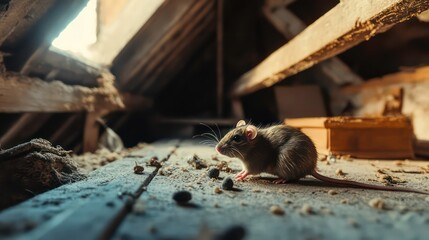
Several factors influence how quickly pest control begins producing noticeable results. The type of pest is one of the most important because ants, cockroaches, rodents, termites, fleas, bed bugs, and mosquitoes all behave differently. Some pests remain hidden inside walls, crawl spaces, attics, or underground colonies, making complete elimination a gradual process rather than an immediate one. Their biology and nesting habits determine how treatment products spread throughout the infestation. Every pest requires a different management strategy.
The severity of the infestation also affects the treatment timeline. Small infestations discovered early often respond more quickly because fewer pests are present and treatment reaches the affected areas more easily. Larger infestations may require additional time because multiple nesting sites, breeding populations, or hidden colonies must be addressed. The condition of the property and environmental factors also influence treatment success. Thorough inspections help determine realistic expectations before treatment begins.
Why Might You Still See Pests After Treatment?
Many homeowners become concerned when they continue seeing insects after a professional pest control service, but this does not always indicate that the treatment has failed. In many cases, pests are driven out of their hiding places as treatment begins affecting their environment. Increased activity immediately after treatment is often temporary and may actually indicate that the products are working as intended. The pests eventually come into contact with the treatment before their populations begin declining. Temporary activity should not automatically be viewed as a problem.
Some treatment methods are specifically designed to allow pests to carry bait or treatment materials back to hidden nesting areas where they affect other members of the colony. Ants, termites, and certain cockroach species often require this process for complete colony elimination. Because this method depends on natural pest behavior, results develop gradually rather than instantly. Allowing the treatment time to work improves overall effectiveness. Patience supports successful long-term pest management.
Does Every Pest Require the Same Treatment Timeline?
Different pests respond to professional treatment at different rates because their biology and behavior vary considerably. Flying insects, crawling insects, rodents, and termites each require specialized treatment methods that operate on different timelines. Some treatments focus on immediate reduction of active pests, while others are designed to interrupt reproduction or eliminate hidden colonies over time. The expected results vary according to the specific pest involved. No single timeline applies to every infestation.
Seasonal conditions also influence how quickly pest control works. During warmer months, increased insect activity may cause homeowners to notice more movement immediately after treatment because pests are naturally more active. During colder seasons, rodents may continue searching for shelter while treatment programs gradually reduce their populations. Environmental conditions remain an important part of successful pest management. Professional inspections consider these seasonal factors when developing treatment plans.
What Can Homeowners Do After Pest Control?
Following the technician’s recommendations after treatment helps maximize the effectiveness of professional pest control. Homeowners should maintain good sanitation by cleaning food spills promptly, storing food in sealed containers, removing trash regularly, and eliminating standing water around the property. These simple practices reduce the food and moisture that attract pests while supporting the treatment already in place. Good housekeeping strengthens long-term pest prevention. Everyday maintenance complements professional service.
Exterior maintenance is equally important after treatment. Sealing cracks around doors, windows, utility lines, and foundations reduces opportunities for pests to re-enter the home. Trimming shrubs, cleaning gutters, repairing plumbing leaks, and removing outdoor debris also make the property less attractive to insects and rodents. Preventive maintenance works together with professional pest control to reduce future infestations. Long-term success depends on combining treatment with prevention.
When Are Follow-Up Pest Control Visits Necessary?
Some pest infestations require multiple visits to ensure complete elimination. Rodents, termites, bed bugs, fleas, and widespread cockroach infestations often involve hidden populations that cannot always be eliminated during a single service appointment. Follow-up visits allow technicians to monitor progress, inspect treated areas, and adjust the treatment plan if necessary. Ongoing monitoring improves long-term success. Every infestation responds differently to treatment.
Routine maintenance programs also provide continued protection throughout the year. Quarterly residential pest control allows technicians to refresh preventive treatments, identify developing pest activity, and respond to seasonal changes before infestations become established. This proactive approach reduces the likelihood of recurring pest problems while maintaining consistent protection. Preventive service often delivers better long-term results than waiting until pests return. Regular inspections remain an important part of comprehensive pest management.
How Can Homeowners Know the Treatment Is Working?
One of the first signs that pest control is working is a gradual reduction in pest activity. Homeowners often notice fewer insects, fewer droppings, reduced nesting activity, or fewer sightings over time as the treatment continues affecting the infestation. Depending on the pest involved, complete elimination may occur gradually rather than all at once. Observing fewer signs of pest activity is generally a positive indication that the treatment is progressing successfully. Consistent improvement is more meaningful than immediate results.
If significant pest activity continues well beyond the expected treatment period, homeowners should contact their pest control provider for further evaluation. Additional inspections help determine whether new pests have entered the property, hidden nesting areas require further treatment, or environmental conditions continue attracting pests. Professional follow-up ensures the treatment plan remains effective until the infestation has been resolved completely. Communication between homeowners and technicians contributes to successful long-term pest management.
Final Thoughts
The answer to how long does pest control take to work depends on the type of pest, the severity of the infestation, the treatment method used, and the property’s unique conditions. While some pests begin responding within hours or days, complete elimination often requires additional time as treatments reach hidden colonies and interrupt breeding cycles. Professional pest control focuses on delivering long-term results through inspection, targeted treatment, follow-up monitoring, and preventive maintenance rather than simply providing temporary relief. By understanding the treatment process and following professional recommendations, homeowners can enjoy a cleaner, healthier, and more pest-free home with lasting protection.