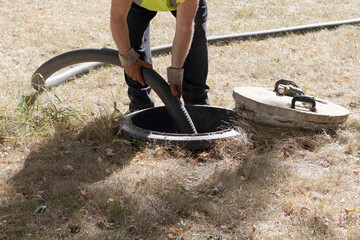
How Often Should You Schedule Septic Pumping for a Healthy System

Septic Pumping

A hidden system beneath the ground quietly manages one of the most important functions in any property. While it may be out of sight, it should never be out of mind. Many people only think about their septic system when something goes wrong, yet by that point, the damage can already be costly and disruptive.

Septic Pumping Fresno is not just a maintenance task but a critical step in protecting your home, your health, and the surrounding environment. Understanding how it works and why it matters can make the difference between a system that lasts for decades and one that fails prematurely.

What Septic Pumping Really Means

Septic pumping is the process of removing accumulated solids and sludge from a septic tank. Over time, waste separates into layers inside the tank. Solid waste settles at the bottom, forming sludge, while lighter materials float to the top as scum. Between these layers is a liquid zone that flows out into the drain field.

Without regular pumping, the sludge and scum layers continue to build up. Eventually, they can overflow into the drain field, causing clogs and system failure. Pumping clears out these layers, restoring the tank’s capacity and allowing it to function properly.

This process is essential because a septic system is designed to handle waste gradually. When the balance inside the tank is disrupted by excessive buildup, the entire system becomes less effective. Regular pumping keeps everything working as intended.

Why Regular Septic Pumping Is Essential

Routine septic pumping plays a vital role in maintaining the health of the system. It prevents the accumulation of solids that can lead to blockages and backups. Without this maintenance, wastewater may return into the home or surface in the yard, creating unsanitary conditions.

Another important reason for regular pumping is to protect the drain field. Once solids reach this area, they can clog the soil and reduce its ability to absorb water. Repairing or replacing a damaged drain field can be expensive and time consuming.

Septic pumping also helps maintain environmental safety. A failing system can release harmful bacteria and contaminants into the soil and groundwater. By keeping the tank clean, the risk of pollution is significantly reduced.

Consistent maintenance extends the lifespan of the entire system. A well cared for septic system can last for many years, while neglect can lead to early failure and costly repairs.

How Often Should a Septic Tank Be Pumped

The frequency of septic pumping depends on several factors. Household size, water usage, and tank capacity all influence how quickly solids accumulate. In general, many systems require pumping every three to five years, but this is not a one size fits all guideline.

Larger households tend to produce more waste, which can fill the tank more quickly. Similarly, high water usage can push solids into the drain field sooner than expected. Homes with smaller tanks may also need more frequent service.

Monitoring the system is key to determining the right schedule. Regular inspections can help identify when the sludge level is approaching capacity. This allows pumping to be scheduled at the optimal time rather than waiting for problems to occur.

Creating a maintenance routine based on these factors ensures that the system remains efficient and reliable.

Signs That Your Septic Tank Needs Pumping

Even with a schedule in place, it is important to watch for warning signs that indicate the need for septic pumping. Slow draining sinks and toilets can be an early sign that the tank is nearing capacity. Unpleasant odors around drains or in the yard may also signal a problem.

Pooling water or unusually lush grass near the drain field can indicate that wastewater is not being properly absorbed. In more severe cases, sewage backups may occur inside the home, which requires immediate attention.

Ignoring these signs can lead to more serious issues. Addressing them promptly through pumping and inspection can prevent further damage and restore proper function.

Being aware of these indicators helps ensure that the system receives attention before minor issues become major concerns.

The Septic Pumping Process Explained

Septic pumping involves several steps that ensure the tank is thoroughly cleaned. The process begins with locating and accessing the tank. Once opened, the contents are carefully removed using specialized equipment.

Both the sludge and scum layers are extracted to restore the tank’s capacity. During this process, the system may also be inspected for signs of damage or wear. This can include checking for cracks, leaks, or issues with the inlet and outlet components.

After pumping, the tank is closed securely, and the system is ready to resume normal operation. The process is efficient and typically completed within a short period, but its impact on the system’s performance is significant.

Understanding how septic pumping works highlights its importance as a preventive maintenance measure rather than a reactive solution.

Common Mistakes That Lead to Septic Problems

Many septic system issues can be traced back to avoidable mistakes. One common error is delaying or skipping regular pumping. Without this essential maintenance, the system becomes overloaded and prone to failure.

Another mistake is flushing inappropriate materials down the drain. Items such as wipes, grease, and non biodegradable products can accumulate in the tank and disrupt its function. These materials do not break down easily and contribute to faster buildup.

Excessive water usage can also strain the system. Activities that use large amounts of water in a short time can overwhelm the tank and push solids into the drain field. Spreading out water usage helps maintain balance.

Lack of awareness about the system’s needs often leads to neglect. By understanding and avoiding these mistakes, homeowners can protect their septic system and reduce the need for costly repairs.

Long Term Benefits of Proper Septic Maintenance

Investing in regular septic pumping offers long term benefits that go beyond preventing immediate problems. A well maintained system operates more efficiently, reducing the likelihood of unexpected failures.

Proper maintenance also protects property value. A functioning septic system is an important aspect of any property, and neglect can lead to issues that affect its usability and appeal.

Environmental protection is another key benefit. By keeping the system in good condition, the risk of contamination is minimized. This contributes to cleaner soil and water, which benefits both individuals and the broader ecosystem.

In addition, consistent care provides peace of mind. Knowing that the system is functioning properly allows homeowners to focus on other aspects of their property without concern.

Conclusion

Septic pumping is a fundamental part of maintaining a reliable and efficient wastewater system. By removing accumulated solids, it prevents blockages, protects the drain field, and supports long term performance. Understanding when and why to schedule pumping allows homeowners to take a proactive approach to maintenance. With regular care and attention, a septic system can continue to operate effectively for many years, avoiding the stress and expense of unexpected failures.


Simplifying Cleanup and Organization with Professional Junk Removal Services

In today’s fast-paced world, clutter can quickly accumulate in homes, offices, and construction sites, leading to disorganization and stress. Whether it’s old furniture, broken appliances, construction debris, or unwanted household items, removing junk efficiently can be a challenging task.

junk removal

These services provide a simple, convenient, and environmentally responsible solution for disposing of unwanted materials, allowing property owners to reclaim their space and peace of mind. By offering efficient junk hauling, eco-friendly disposal, and customized cleanup solutions, junk removal professionals have become an essential part of maintaining clean and organized spaces across residential, commercial, and industrial settings.

Professional junk removal services handle a wide range of waste and clutter, ensuring that everything is properly collected, sorted, and disposed of according to environmental standards. Unlike traditional garbage collection, which often has limitations on what can be picked up, junk removal companies specialize in handling bulky items and large quantities of waste. Whether you’re dealing with a garage cleanout, estate cleanout, office decluttering, or post-renovation debris removal, these experts have the equipment, manpower, and knowledge to manage the entire process safely and efficiently.

One of the key benefits of hiring professional junk removal services is the time and effort saved. Clearing out heavy, bulky, or large volumes of junk can be physically demanding and time-consuming. Junk removal professionals handle all aspects of the process—from lifting and loading to transportation and disposal—so you don’t have to. This convenience allows homeowners and business owners to focus on other important tasks while ensuring that their unwanted materials are removed quickly and responsibly. In many cases, same-day or next-day service options are available, providing a prompt solution for urgent cleanups.

Beyond convenience, safety is another important reason to rely on professional junk removal services. Attempting to remove large or hazardous items without the proper equipment can lead to injuries or property damage. Junk removal teams are trained to handle heavy and awkward items safely, using specialized tools and vehicles designed for secure hauling. They follow safety protocols to prevent accidents and ensure that items are disposed of without harming the environment. This is especially valuable for projects involving construction debris, old appliances, or materials that could contain hazardous components.

Environmental responsibility has become a core focus for the junk removal industry. Many service providers today are committed to eco-friendly junk disposal practices that minimize landfill waste and promote sustainability. Instead of simply dumping everything, they sort through collected items to separate recyclables, reusable goods, and materials that can be donated. For example, metal, cardboard, glass, and certain plastics can be recycled, while usable furniture, electronics, and home goods may be donated to charitable organizations. This approach not only helps protect the environment but also supports local communities by giving items a second life instead of adding to waste.

Professional junk removal services are also known for their versatility. They cater to a wide range of needs, from small residential pickups to large commercial cleanouts. Some of the most common types of junk removal projects include:

  1. Residential Junk Removal: Homeowners often rely on these services to get rid of unwanted household items such as furniture, mattresses, appliances, and yard debris. Whether it’s cleaning out a basement, attic, or garage, junk removal experts help restore order to living spaces.
  2. Commercial Junk Removal: Offices, retail stores, and industrial sites generate significant amounts of waste. Junk hauling companies can handle office furniture removal, electronic waste, renovation debris, and other commercial materials efficiently and discreetly.
  3. Construction Debris Removal: Renovation and construction projects often leave behind piles of debris such as wood, drywall, concrete, and metal. Junk removal teams ensure these materials are cleared away quickly and disposed of safely.
  4. Estate and Foreclosure Cleanouts: Property managers and families dealing with estates or foreclosures often need large-scale cleanouts. Professional junk haulers handle sensitive and complex situations with care and efficiency.

Another major advantage of junk removal services is the cost-effectiveness they offer. While some may assume that doing the job themselves is cheaper, the hidden costs of renting trucks, paying disposal fees, and investing time and labor often exceed the price of hiring professionals. Junk removal companies typically provide transparent pricing based on the amount and type of junk being removed, so clients know exactly what to expect. Additionally, the speed and thoroughness of professional service often make it a better long-term investment, especially for recurring cleanouts or commercial operations.

Efficiency and convenience go hand in hand with modern junk removal. Many companies use digital tools to simplify scheduling, invoicing, and communication. Customers can request quotes, book services, and track pickups online, making the process seamless from start to finish. Some providers even offer contactless pickup options, allowing for safe and hassle-free removal. This technological integration ensures that clients can manage their junk removal needs with minimal effort and maximum reliability.

For property owners, junk removal isn’t just about cleanliness—it’s about reclaiming valuable space. A cluttered home or workspace can impact mental well-being, reduce productivity, and limit functionality. By clearing out unwanted items, individuals can transform their environments into more organized and enjoyable spaces. For businesses, a clean and orderly setting enhances professionalism and can even improve workflow efficiency. In homes, decluttering can increase comfort and make everyday life more manageable.

When it comes to choosing the right junk removal company, several factors should be considered to ensure a smooth experience. It’s important to look for licensed and insured providers that adhere to proper disposal standards. Transparent pricing, flexible scheduling, and positive customer feedback are also key indicators of reliability. Additionally, choosing a company that emphasizes sustainability and community support demonstrates a commitment to responsible waste management.

In addition to basic junk hauling, many junk removal companies now offer specialized services that go beyond simple trash pickup. These can include:

  1. Appliance and Furniture Removal: Old appliances and heavy furniture can be difficult to move and dispose of. Professional junk haulers have the tools and vehicles to safely remove these items from your property.
  2. Yard Waste and Storm Debris Cleanup: Fallen branches, leaves, and outdoor debris can pile up quickly after landscaping projects or severe weather. Junk removal professionals can clear your yard efficiently.
  3. Hot Tub and Shed Removal: Dismantling and disposing of large outdoor structures like sheds or hot tubs requires expertise and equipment, which professional haulers can provide.
  4. E-Waste Disposal: Electronics contain materials that need to be handled carefully. Junk removal companies ensure that computers, TVs, and other electronic devices are recycled or disposed of in compliance with environmental regulations.

These additional services make junk removal providers versatile partners for a wide range of cleanup and disposal needs, both for individual homeowners and large organizations.

Sustainability continues to shape the future of junk removal services. With increasing awareness about the environmental impact of waste, many companies are investing in green technology and recycling partnerships. This includes sorting facilities that process collected materials more efficiently, as well as collaborations with recycling plants and donation centers. The goal is to divert as much waste as possible from landfills and move toward a circular economy where resources are reused and repurposed instead of discarded.

For consumers, participating in responsible junk removal is not only about convenience but also about making an environmentally conscious choice. Proper waste disposal helps prevent pollution, conserves natural resources, and supports a cleaner, healthier planet. By choosing eco-friendly junk removal services, individuals and businesses contribute to sustainability efforts while maintaining tidy and functional spaces.

Another growing trend in the junk removal industry is the emphasis on customer education. Many service providers now help clients manage their waste more effectively. They may offer tips on recycling, repurposing, or minimizing waste production in the first place. This proactive approach encourages people to be more mindful of their consumption habits, ultimately reducing the amount of junk that will need to be removed in the future.

In conclusion, professional junk removal services are an essential solution for maintaining cleanliness, organization, and sustainability in both residential and commercial spaces. They save time, reduce physical strain, and promote environmentally responsible disposal practices. Whether it’s clearing out a single room or managing large-scale debris removal, junk removal professionals offer the expertise, equipment, and efficiency needed to get the job done right. With the growing focus on eco-friendly operations and customer convenience, the junk removal industry continues to evolve, offering smarter, cleaner, and more sustainable ways to manage waste. Investing in professional junk removal is more than just a cleanup—it’s a step toward creating a more organized, healthier, and environmentally responsible lifestyle.

How Does the Mice Removal Process Work and What Should You Expect?

Mice Removal

It often starts with a sound that does not quite belong. A faint scratching in the ceiling late at night, a quick movement along the wall, or small droppings that appear where there were none before. At first, it may be easy to dismiss, but mice are rarely alone for long.

Once they find a safe place with access to food and shelter, they settle in quickly. Understanding Mice Removal Texas process is essential for stopping the problem at its source and restoring a sense of comfort in your home.

Understanding Why Mice Invade Homes

Mice enter homes for simple reasons that are easy to overlook. They are constantly searching for warmth, food, and protection from predators. Homes provide all of these, especially during cooler seasons or when outdoor resources become scarce.

Small openings in walls, gaps around doors, and even tiny cracks can serve as entry points. Once inside, mice tend to nest in hidden areas such as attics, walls, or storage spaces. They reproduce quickly, which means a small issue can grow into a larger infestation in a short amount of time.

Recognizing why mice are drawn indoors helps shape an effective removal process. By addressing the factors that attract them, it becomes easier to prevent them from returning after they are removed.

Initial Inspection and Identifying the Problem

The first step in the mice removal process is a thorough inspection of the property. This involves identifying signs of activity such as droppings, gnaw marks, and nesting materials. These indicators help determine the extent of the infestation and where mice are most active.

During the inspection, potential entry points are also located. These can include gaps around windows, openings near pipes, and damaged areas of the structure. Finding these access points is critical, as they allow mice to move in and out of the home.

Understanding the scope of the problem ensures that the removal process is targeted and effective. Without this step, it is difficult to address the issue completely.

Sealing Entry Points to Prevent Access

Once entry points have been identified, sealing them becomes a priority. This step is essential for preventing mice from re entering the home after removal efforts begin. Even the smallest openings must be addressed, as mice can squeeze through surprisingly tight spaces.

Materials used for sealing should be durable and resistant to gnawing. Proper sealing not only blocks access but also helps maintain the overall integrity of the home. By closing off these pathways, the chances of future infestations are significantly reduced.

Preventing access is a key part of the process because it addresses the root cause of the problem. Without sealing entry points, removal efforts may only provide temporary relief.

Trapping and Removal Methods

Trapping is one of the most common methods used in the mice removal process. It involves placing traps in areas where mice are active, such as along walls or near nesting sites. The placement of traps is strategic, based on the patterns observed during the inspection.

Different types of traps may be used depending on the situation. The goal is to remove mice efficiently while minimizing disruption to the household. Consistent monitoring of traps is important to ensure that the process is working as intended.

Trapping allows for targeted removal, helping reduce the population of mice within the home. It is often used alongside other methods to achieve the best results.

Cleaning and Sanitizing Affected Areas

After the mice have been removed, cleaning and sanitizing the affected areas is an essential step. Mice can leave behind droppings, urine, and nesting materials that may carry bacteria and create unpleasant odors.

Thorough cleaning helps eliminate these contaminants and restore a safe environment. Special attention is given to areas where mice were most active, as these are likely to have the highest concentration of residue.

Sanitizing also helps remove any lingering scents that could attract other mice. By addressing these factors, the home becomes less appealing to pests and more comfortable for occupants.

Eliminating Food and Water Sources

Mice are drawn to homes that provide easy access to food and water. Removing these sources is a crucial part of the removal process. This involves storing food in secure containers, cleaning up crumbs and spills, and ensuring that garbage is properly sealed.

Water sources such as leaks or standing moisture should also be addressed. Even small amounts of water can sustain mice, so fixing these issues reduces their ability to survive indoors.

By eliminating the resources that mice depend on, the environment becomes less inviting. This step supports the effectiveness of other removal methods and helps prevent future infestations.

Monitoring and Follow Up

The mice removal process does not end once the initial infestation has been addressed. Monitoring is necessary to ensure that the problem has been fully resolved. This involves checking for new signs of activity and confirming that entry points remain sealed.

Follow up actions may include adjusting traps or addressing any overlooked areas. Consistency is key during this stage, as it helps catch any remaining issues before they escalate.

Ongoing monitoring provides reassurance that the home remains free of mice. It also allows for quick action if any new activity is detected.

Preventing Future Infestations

Prevention plays a major role in maintaining a mouse free home. Regular maintenance and awareness help reduce the likelihood of future problems. This includes inspecting the property for new gaps or openings and addressing them promptly.

Keeping the home clean and organized also makes a difference. Reducing clutter limits hiding spots, while proper food storage minimizes attraction. Simple habits can go a long way in preventing mice from returning.

Seasonal changes may also require additional attention, as mice are more likely to seek shelter indoors during certain times of the year. Staying proactive helps maintain control and avoid recurring issues.

Understanding the Challenges of Mice Removal

Mice removal can be challenging due to their adaptability and ability to hide in hard to reach areas. They are quick to find new pathways and can adjust their behavior in response to changes in their environment.

Another challenge is the speed at which they reproduce. Even a small number of mice can lead to a larger infestation if not addressed promptly. This makes early intervention especially important.

Overcoming these challenges requires a comprehensive approach that combines inspection, removal, and prevention. By addressing each aspect thoroughly, it becomes possible to achieve lasting results.

The Importance of a Complete Process

A successful mice removal process involves more than simply eliminating the visible problem. It requires addressing the underlying factors that allowed the infestation to occur in the first place. Each step, from inspection to prevention, plays a role in achieving a long term solution.

Skipping any part of the process can lead to recurring issues. For example, removing mice without sealing entry points may allow new ones to enter. Similarly, failing to clean affected areas can leave behind conditions that attract pests.

A complete and thorough approach ensures that the problem is resolved effectively and reduces the risk of future infestations.

Final Thoughts on the Mice Removal Process

The mice removal process is a structured approach designed to eliminate infestations and restore comfort to the home. By understanding how mice enter, where they hide, and what attracts them, it becomes easier to address the problem at its source.

From inspection and trapping to cleaning and prevention, each step contributes to a successful outcome. Consistency and attention to detail are essential for achieving lasting results.

While dealing with mice can be stressful, following a comprehensive removal process provides a clear path forward. With the right approach, it is possible to create a home environment that is safe, clean, and free from unwanted pests.

Inside the Reality of MCA Work From Home Opportunities

The shift to remote work has transformed how people build careers and businesses. Many now search for ways to earn income from home without the limits of traditional employment. Among the many opportunities discussed online, MCA work from home programs often spark curiosity. They promise flexibility, independence, and financial potential without the usual office grind.

marketing

At its core, MCA work from home is structured around a referral-based business model. Participants earn income by promoting specific services and signing up new clients. Unlike conventional jobs where income is fixed, earnings here are performance-driven. The more successful referrals made, the higher the potential income.

This approach attracts many people seeking side hustles or full-time online careers. The ability to work from home, set your own schedule, and scale income based on effort is appealing. It also removes geographic barriers, allowing people to connect with clients and leads anywhere with an internet connection. This flexibility is one of the biggest selling points for newcomers exploring the opportunity.

The business model is often described as simple, but it still requires dedication and strategy. Success typically comes from mastering online marketing, lead generation, and communication. Many people who thrive with MCA work from home treat it as a real business rather than a hobby. They focus on building systems and creating consistent outreach efforts to attract new clients.

A key advantage of this model is its low barrier to entry. It doesn’t require special degrees, large investments, or prior experience in marketing. Anyone with determination and a willingness to learn can start building results. This accessibility makes it attractive to students, stay-at-home parents, and professionals seeking additional income streams.

However, the simplicity of the model can also lead to misconceptions. Some people expect fast money without putting in real work. The truth is that income reflects the amount of effort and consistency invested. Those who treat it casually often struggle, while those who commit to developing skills and building strategies tend to see steady growth.

MCA work from home often involves a learning curve, especially for beginners. It takes time to understand how to attract quality leads, build trust, and convert prospects into paying clients. Many successful participants invest time in learning about digital marketing, social media engagement, and effective communication. This focus on skill-building is often the difference between frustration and financial success.

The model also emphasizes the power of residual income. In many cases, referrals lead to ongoing commissions when clients continue using services. This creates the potential for passive earnings over time, even when new referrals slow down. It’s a long-term benefit that attracts many people looking for financial stability without constant active work.

Reviews of MCA work from home often highlight its scalability. Since income is tied to performance, there’s no strict income ceiling. Once a system for lead generation is established, it can be scaled to reach larger audiences. Automation tools and online platforms further amplify this potential, allowing users to grow beyond what’s possible in traditional jobs.

One recurring theme in discussions about MCA is the emphasis on mindset. Many who succeed stress the importance of treating the opportunity as a business rather than a quick fix. It requires persistence, patience, and a willingness to learn from mistakes. Those who adopt this mindset often outperform those seeking instant results.

The remote nature of MCA work also changes how people approach work-life balance. It allows individuals to design schedules that fit around family, hobbies, or other commitments. This autonomy is a major appeal, especially for people who value flexibility over rigid corporate structures. It creates an opportunity to build income while maintaining control over personal time.

Despite these benefits, challenges exist. Competition in the referral space can be intense, especially in saturated markets. Standing out requires strong branding, clear messaging, and a focus on delivering real value. Those who invest time in building trust with their audience tend to have more sustainable success.

Another challenge is maintaining consistent motivation. Working from home requires self-discipline and strong time management skills. Without a boss or structured workday, distractions can derail progress. Many successful participants create routines and set daily goals to stay on track and maintain momentum.

Transparency is another topic often discussed in MCA work from home reviews. Some people misunderstand the nature of the business model and expect guaranteed income. In reality, success is highly individual and based on performance. Clear expectations help newcomers understand what’s required and prevent unrealistic assumptions.

The system also teaches valuable skills that extend beyond the MCA program itself. Participants learn how to sell, communicate, and build relationships online. These skills are transferable to other businesses, freelance work, and entrepreneurial ventures. Even if someone eventually moves on from MCA, the experience often boosts their future earning potential.

Many reviews also highlight the sense of community that develops among participants. Support groups, training sessions, and mentorship networks offer guidance and encouragement. These connections can accelerate learning and provide motivation during challenging periods. Collaboration often leads to creative strategies that improve results for everyone involved.

One interesting trend is the increasing use of automation in MCA work from home operations. Email sequences, chatbots, and targeted ads streamline lead generation and follow-ups. These tools help participants work smarter, not harder, and free up time for building relationships. Technology has made it easier than ever to scale referral-based businesses from home.

Another evolving aspect is the diversification of marketing strategies. Successful participants no longer rely solely on social media posts or word-of-mouth. They build comprehensive online ecosystems that include blogs, video content, and targeted advertising. This multi-channel approach improves reach and builds credibility with potential clients.

It’s also worth noting that MCA work from home can evolve into larger business ventures. Many participants expand their services, create digital products, or launch complementary businesses. The skills and audience built through the program provide a strong foundation for future growth. This adaptability makes it more than just a short-term opportunity.

While skepticism exists in some corners, much of it stems from misunderstanding how the model works. Critics often dismiss it as unrealistic without considering the role of consistent effort. Like any business, results come from a combination of strategy, execution, and perseverance. Those who embrace these realities are often the ones who see meaningful outcomes.

Another overlooked benefit is how it builds resilience and entrepreneurial thinking. Working from home forces individuals to solve problems independently and think creatively. These traits are valuable not only for MCA success but also for any future ventures. They foster confidence and self-reliance that extend far beyond the program itself.

The growth of remote work continues to fuel interest in programs like MCA. As more people seek location-independent careers, referral-based models become increasingly attractive. They offer a way to build income streams without traditional job constraints. This trend suggests that the appeal of MCA work from home is unlikely to fade anytime soon.

In the end, the opportunity is what each participant makes of it. It offers the tools and structure, but the results depend on execution. For those who are willing to commit, learn, and adapt, MCA work from home can be more than just a side hustle. It can become a sustainable income source and a stepping stone toward financial independence.

What makes this model compelling is not just the money but the freedom it represents. It empowers people to build careers on their terms and create lifestyles centered around their priorities. In a world where flexibility and independence are increasingly valued, that kind of opportunity holds lasting appeal.

Why Homeowners Choose Restore Draper for Property Restoration

Restore Draper

Many properties that are damaged in disasters can be restored rather than replaced. Restoration companies can repair structural damage, restore personal belongings and contents, and even deodorize a property that has been impacted by smoke or mold.

Historic neighborhoods like The Renaissance prove that restoring over replacing is often the superior option. It boosts a city’s economic growth and attracts tourists. Contact Restore Draper to learn more.

1. Experience

The Renaissance is a shining example of what can be accomplished when residents and preservationists unite to bring life back to a historic neighborhood. After years of neglect, the neighborhood was on the verge of obscurity when a dedicated group of residents and preservationists began to make it their mission to restore its historic buildings and celebrate its rich culture and history. Their restoration efforts eventually transformed into a thriving community that continues to thrive today.

In many cases, restoration is significantly less expensive than replacement. This is especially true for high-value items and materials that are no longer readily available. It can also be a more environmentally friendly option, as it reduces waste and the demand for new materials.

Professional restoration companies have the knowledge and expertise to accurately assess damage and implement the most effective methods for restoring your property. In addition, they have access to industrial-grade equipment that allows them to complete projects more quickly and efficiently than DIY methods. Additionally, they can work directly with insurance providers to streamline the claims process and save you time and hassle.

Water damage is one of the most common problems homeowners face, and it can be extremely damaging to their home’s structure and interiors. Water damage restoration specialists are trained to find hidden pockets of moisture using specialized tools and techniques. They can then use advanced tools like moisture meters and thermal imaging cameras to remove moisture and prevent mold growth.

Once the floodwaters recede, a restoration company can also help you clean and repair any affected areas of your home. This may include cleaning and sanitizing your belongings, removing any debris from the site, and deodorizing your home to get rid of any unpleasant smells. They can also inspect your home for any structural damage and ensure it is safe to return to use.

While restoration is a great option for most situations, it’s important to note that there are some instances where replacement is the best option. This can be the case if a building is unsafe for habitation or if it can’t be restored to meet current health and safety standards. Fortunately, professional restoration services can help you decide whether to restore or replace your property, providing guidance and advice along the way.

2. Reputation

Reputation is everything in the world of business and when it comes to restoration services, reputation matters just as much. Having a good reputation will make customers trust your company and ensure they choose you over other restoration services. A good company will have a proven track record and a dedicated team of professionals who will go above and beyond to meet the needs of their clients.

Flood damage restoration is not only about fixing the exterior of a home, but it also involves cleaning and restoring contents inside. The entire process is time-consuming and expensive and it is important to hire a company that has the right experience and skills. The best restoration company will be able to assess the extent of damage and provide an accurate estimate. They will also offer a range of services that may include content restoration, deodorization, and structural repairs.

The historic neighborhood was once a bustling hub of culture and commerce, but as the years went by, neglect and economic challenges led to its gradual decline. The neighborhood was on the verge of obscurity when a dedicated group of residents and preservationists decided to take action. Their tireless efforts were rewarded, and today the neighborhood is a shining example of the power of community-driven restoration efforts.

3. Insurance

With panoramic views of the mountains and miles of bike trails, one of the most active and scenic cities. But even in this beautiful community, disasters can strike when you least expect them. That’s why having a trusted water damage restoration company to call in the event of a flood or other disaster is important.

By restoring and preserving the historic architecture of the neighborhood, preservationists created a sense of identity for the community. This led to increased tourism and property values, attracting new residents who wanted to be a part of the revitalization. It also resulted in the creation of museums and cultural centers that showcase the community’s rich history and legacy.

Choosing restoration over replacement is often more cost-effective, especially for high-value items and custom-built structures. It is also more environmentally friendly, reducing waste and the demand for raw materials. Additionally, restoring certain items can be more emotionally meaningful than replacing them. For example, a family heirloom or antique may hold sentimental or historical value that cannot be replaced.

In addition to repairing and restoring structural elements of your home, a professional restoration company will also clean and deodorize it. This can include removing debris and mud, cleaning affected areas, and eliminating any mold growth. They may also utilize special techniques to reduce odors caused by smoke or fire damage.

Moreover, restoration companies can work with insurance providers to streamline the claims process and minimize hassles. This can save you time and stress, while ensuring a quicker return to normalcy. In addition, they can provide advice on preventing future damage and improving your property’s durability. So if you’re facing any type of property loss, restoration services can be a valuable investment in the long run.

4. Customer Service

Whether they’re navigating the restoration process or working with insurance companies, homeowners can expect a high level of customer service from a professional restoration company. They’ll be able to answer any questions, walk them through the process, and even provide tips on how they can prevent future disasters.

For example, they’ll perform a thorough inspection to assess the damage and determine how severe it is. They’ll also use specialized equipment like moisture meters to detect hidden pockets of water that could lead to mold growth later on. They can also clean and restore contents, including furniture, electronics, and carpets. Additionally, they’ll deodorize the property to get rid of any lingering smells from smoke or water damage.

Homeowners can also reduce the risk of damage by getting routine inspections of their plumbing systems, roofs, and electrical setups. These will help identify issues before they become serious and save money in the long run. Additionally, they can invest in backup systems, sump pumps, and flood alarms to protect their homes from unexpected disasters. However, even in a vibrant city like Draper, there will be times when unforeseen disasters strike. That’s why it’s essential to have a trusted water damage restoration Draper team on hand to respond quickly when disaster strikes.