A hidden system beneath the ground quietly manages one of the most important functions in any property. While it may be out of sight, it should never be out of mind. Many people only think about their septic system when something goes wrong, yet by that point, the damage can already be costly and disruptive.
Septic Pumping Fresno is not just a maintenance task but a critical step in protecting your home, your health, and the surrounding environment. Understanding how it works and why it matters can make the difference between a system that lasts for decades and one that fails prematurely.
What Septic Pumping Really Means
Septic pumping is the process of removing accumulated solids and sludge from a septic tank. Over time, waste separates into layers inside the tank. Solid waste settles at the bottom, forming sludge, while lighter materials float to the top as scum. Between these layers is a liquid zone that flows out into the drain field.
Without regular pumping, the sludge and scum layers continue to build up. Eventually, they can overflow into the drain field, causing clogs and system failure. Pumping clears out these layers, restoring the tank’s capacity and allowing it to function properly.
This process is essential because a septic system is designed to handle waste gradually. When the balance inside the tank is disrupted by excessive buildup, the entire system becomes less effective. Regular pumping keeps everything working as intended.
Why Regular Septic Pumping Is Essential
Routine septic pumping plays a vital role in maintaining the health of the system. It prevents the accumulation of solids that can lead to blockages and backups. Without this maintenance, wastewater may return into the home or surface in the yard, creating unsanitary conditions.
Another important reason for regular pumping is to protect the drain field. Once solids reach this area, they can clog the soil and reduce its ability to absorb water. Repairing or replacing a damaged drain field can be expensive and time consuming.
Septic pumping also helps maintain environmental safety. A failing system can release harmful bacteria and contaminants into the soil and groundwater. By keeping the tank clean, the risk of pollution is significantly reduced.
Consistent maintenance extends the lifespan of the entire system. A well cared for septic system can last for many years, while neglect can lead to early failure and costly repairs.
How Often Should a Septic Tank Be Pumped
The frequency of septic pumping depends on several factors. Household size, water usage, and tank capacity all influence how quickly solids accumulate. In general, many systems require pumping every three to five years, but this is not a one size fits all guideline.
Larger households tend to produce more waste, which can fill the tank more quickly. Similarly, high water usage can push solids into the drain field sooner than expected. Homes with smaller tanks may also need more frequent service.
Monitoring the system is key to determining the right schedule. Regular inspections can help identify when the sludge level is approaching capacity. This allows pumping to be scheduled at the optimal time rather than waiting for problems to occur.
Creating a maintenance routine based on these factors ensures that the system remains efficient and reliable.
Signs That Your Septic Tank Needs Pumping
Even with a schedule in place, it is important to watch for warning signs that indicate the need for septic pumping. Slow draining sinks and toilets can be an early sign that the tank is nearing capacity. Unpleasant odors around drains or in the yard may also signal a problem.
Pooling water or unusually lush grass near the drain field can indicate that wastewater is not being properly absorbed. In more severe cases, sewage backups may occur inside the home, which requires immediate attention.
Ignoring these signs can lead to more serious issues. Addressing them promptly through pumping and inspection can prevent further damage and restore proper function.
Being aware of these indicators helps ensure that the system receives attention before minor issues become major concerns.
The Septic Pumping Process Explained
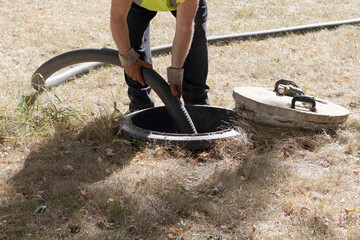
Septic pumping involves several steps that ensure the tank is thoroughly cleaned. The process begins with locating and accessing the tank. Once opened, the contents are carefully removed using specialized equipment.
Both the sludge and scum layers are extracted to restore the tank’s capacity. During this process, the system may also be inspected for signs of damage or wear. This can include checking for cracks, leaks, or issues with the inlet and outlet components.
After pumping, the tank is closed securely, and the system is ready to resume normal operation. The process is efficient and typically completed within a short period, but its impact on the system’s performance is significant.
Understanding how septic pumping works highlights its importance as a preventive maintenance measure rather than a reactive solution.
Common Mistakes That Lead to Septic Problems
Many septic system issues can be traced back to avoidable mistakes. One common error is delaying or skipping regular pumping. Without this essential maintenance, the system becomes overloaded and prone to failure.
Another mistake is flushing inappropriate materials down the drain. Items such as wipes, grease, and non biodegradable products can accumulate in the tank and disrupt its function. These materials do not break down easily and contribute to faster buildup.
Excessive water usage can also strain the system. Activities that use large amounts of water in a short time can overwhelm the tank and push solids into the drain field. Spreading out water usage helps maintain balance.
Lack of awareness about the system’s needs often leads to neglect. By understanding and avoiding these mistakes, homeowners can protect their septic system and reduce the need for costly repairs.
Long Term Benefits of Proper Septic Maintenance
Investing in regular septic pumping offers long term benefits that go beyond preventing immediate problems. A well maintained system operates more efficiently, reducing the likelihood of unexpected failures.
Proper maintenance also protects property value. A functioning septic system is an important aspect of any property, and neglect can lead to issues that affect its usability and appeal.
Environmental protection is another key benefit. By keeping the system in good condition, the risk of contamination is minimized. This contributes to cleaner soil and water, which benefits both individuals and the broader ecosystem.
In addition, consistent care provides peace of mind. Knowing that the system is functioning properly allows homeowners to focus on other aspects of their property without concern.
Conclusion
Septic pumping is a fundamental part of maintaining a reliable and efficient wastewater system. By removing accumulated solids, it prevents blockages, protects the drain field, and supports long term performance. Understanding when and why to schedule pumping allows homeowners to take a proactive approach to maintenance. With regular care and attention, a septic system can continue to operate effectively for many years, avoiding the stress and expense of unexpected failures.